
The travel industry in the United States is ready for new and innovative ideas. Many startup founders have great visions for the future of travel, but they struggle with where to begin. Building a full product with every possible feature is often too expensive and takes too much time. This is why we recommend starting with a more focused approach. Our guide on MVP Development for TravelTech Apps: Launch Smart Travel Solutions for the US Market shows you how to build a product that users love while keeping your costs low. By focusing on the most important problems that travelers face, you can launch quickly and start learning from real feedback. This process reduces your risk and helps you build a better product in the long run. Many startups miss this opportunity and spend too much on features that nobody wants. We are here to help you avoid those common mistakes and create a successful travel application.
The Strategy Of Starting Small
The travel industry in the United States is currently seeing a massive shift toward digital solutions. Many founders believe they need a complex and feature rich application to compete with the giants. This is a common mistake that leads to wasted capital and lost time. You should start with a small and focused product instead. This helps you save money while you test your core business idea with real people. If users like the basic concept, you can add more features later. Many startups miss this simple fact, and they spend their entire budget before they even launch. You do not want to build complicated features that no one ends up using. Focus on one specific problem that travelers face today. Maybe it is booking a hotel in under sixty seconds. Maybe it is finding a verified local guide in a new city. Whatever the problem is, make sure your solution works perfectly. This limited version of your idea is what we call an MVP. It is the best way to enter the competitive US market without taking on massive debt. You will learn exactly what your users want by watching how they interact with the app. This real world data is much more valuable than any business plan or market research report. You can change your direction quickly based on what people actually do. Your speed and agility are your greatest powers. We help you navigate this path through MVP Development for TravelTech Apps: Launch Smart Travel Solutions for the US Market. By keeping your scope limited, you ensure that every dollar spent is focused on growth and validation. This method allows you to build a loyal community of early adopters who will guide the future of your product.
Features That Matter To American Travelers
Selecting the right features for your initial launch requires a deep understanding of the American traveler. Most users in this market expect a seamless mobile experience and instant results. If your application takes too long to load or has a complex checkout process, people will delete it immediately. You should focus on a core loop that takes the user from discovery to action in as few steps as possible. Integration with existing services is often much better than building every single component from scratch. For example, using established map services or trusted payment gateways builds immediate credibility with your audience. Security is also a major concern for US users who are wary of sharing their personal information with unknown platforms. You must ensure that every touchpoint feels professional and secure. Many startups miss the importance of a clean admin dashboard to manage these interactions on the backend. This allows you to respond to user needs and manage listings without needing a developer for every small change. By focusing on these essential elements, you create a product that is both functional and scalable. This targeted approach ensures that your initial budget is spent on the features that provide the highest return on investment. You can always expand the list of features after you have a solid user base that provides regular feedback. This strategy allows you to remain lean and responsive while the bigger competitors struggle to keep up with changing trends.
- Secure user authentication and profile management for personalized data.
- Real time search filters for locations, prices, and specific travel dates.
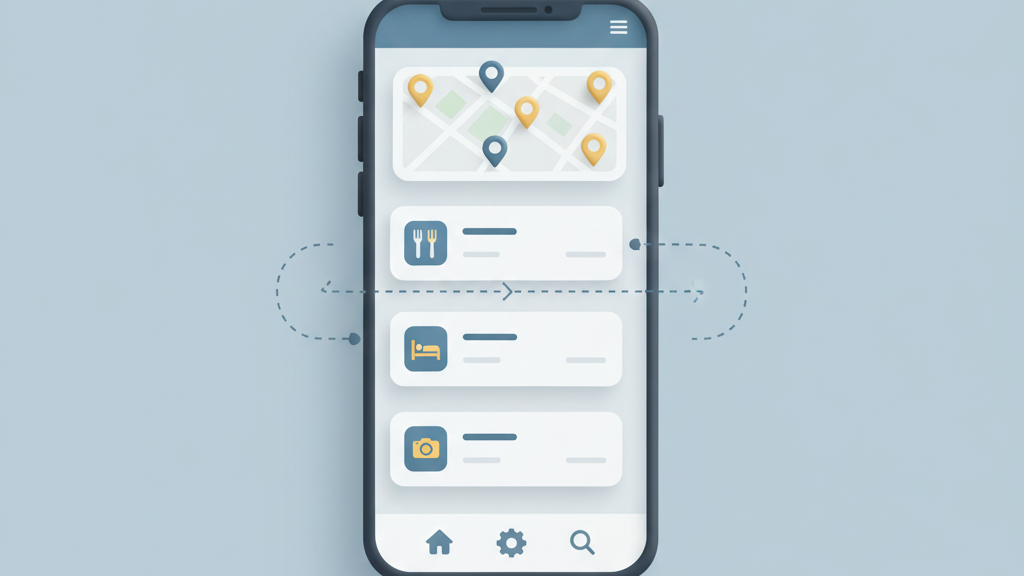
- Integrated map views to help users discover local attractions and stays.
- Simple booking or referral buttons that connect users to service providers.
- Automated push notifications to provide users with timely trip updates.
Technical Foundations And Data Management
The backbone of any successful travel application is how it handles data from various sources. You do not necessarily need to own the inventory to sell travel services. Most modern platforms rely on a web of APIs from established providers. Managing these connections effectively is a technical challenge that many early stage teams underestimate. Your backend must be able to handle fluctuating data speeds and potential downtime from third party services. We often recommend using robust frameworks like Django because they offer great security out of the box. This is particularly important when you are dealing with user data and financial transactions in the US market. A scalable architecture ensures that your application does not crash when you finally get a surge of traffic. This could happen after a marketing campaign or a mention in a popular travel blog. You want a system that can grow with your user base without needing a total rewrite. This technical foresight saves you a lot of money and frustration in the long run. Many founders focus only on the frontend, but the backend is where the real value of your company lives. It is the engine that powers the user experience and keeps everything running smoothly. Proper data management also allows you to gather insights into user behavior, which is essential for making informed product decisions. It is better to build a strong foundation now than to fix a broken one later when you have thousands of users.
Speed As A Competitive Advantage
In the American tech scene, being first to a specific niche can be more important than being perfect. Consumer habits change rapidly, and a delay of three months could mean missing a peak travel season like the summer or the winter holidays. Launching quickly allows you to gather data that no market research report can provide. You see exactly where users drop off and what features they ignore. This real world data is exactly what investors want to see during your next funding round. They value traction and user engagement over a long list of planned features that have not been tested. Building a prototype in a few weeks rather than a few months saves precious capital. You can then spend that money on user acquisition and marketing. It is better to have a thousand active users on a simple application than zero users on a complex one that is still in development. Speed to market is a key component of MVP Development for TravelTech Apps: Launch Smart Travel Solutions for the US Market. By moving fast, you also prevent competitors from capturing your target audience before you do. You can iterate on the product based on feedback and stay ahead of the curve. This lean approach is the standard for successful startups in Silicon Valley and beyond. It allows for a more sustainable business model that adapts to the needs of the market. Every day you spend in development without a live product is a day you are not learning from your customers.
Growth And Iteration After The Initial Launch
Once your initial product is live, the real work of product development begins. You must listen to your early adopters and identify the patterns in their behavior. Often, a feature you thought was minor becomes the main reason people use your application. This is the stage where you start adding the extra features that you skipped during the initial build. You might find that users want AI driven recommendations or a way to split costs with their friends. Adding these features based on actual demand ensures that you are not wasting resources on things that do not matter. A phased approach to development keeps your team focused and your budget under control. It also allows you to maintain a high level of quality as the product grows in complexity. You should prioritize the updates that will have the biggest impact on user retention and satisfaction. We often see that a few well chosen additions can significantly increase the lifetime value of a customer. This iterative process is how a simple MVP transforms into a market leading platform. Always keep your eyes on the long term vision while staying grounded in the current needs of your users. The following list includes some popular features that startups often consider for their second or third version of the product. These options provide a roadmap for your future growth and help you stay competitive in the evolving travel market.
- Artificial intelligence for creating personalized and dynamic trip plans.
- Social sharing tools that allow for group travel coordination and voting.
- Offline mode for travelers who need access to itineraries without internet.
- Loyalty programs and referral rewards to increase long term user retention.
- Multi language and multi currency support for future international expansion.
- In app messaging to connect travelers directly with service providers.