
Launching a new software product is a high risk gamble for most founders. Statistics show that nearly ninety percent of new businesses fail within the first few years. A common reason for this failure is building a product that nobody actually wants to buy. This is why MVP Development for Startups: A Complete Guide to Building Your First Product is a vital framework for any modern entrepreneur. By focusing on a minimum viable product, you can test your assumptions with real users before spending your entire budget on features that might not matter. This guide walks you through the practical steps of building a lean version of your vision while keeping your costs low and your speed high.
Understanding the True Purpose of a Minimum Viable Product
An MVP is not just a broken or unfinished version of your final vision. It is a specific strategy designed to gather the maximum amount of validated learning with the least amount of effort. Many startups miss this and treat their initial launch like a full product release. In my opinion, the biggest mistake you can make is trying to please everyone on day one. Your goal is to solve one specific problem for one specific group of people. This approach allows you to enter the market quickly and start collecting data. Real user behavior is always more valuable than any market research document or hypothetical survey. When you build just the core essentials, you protect your capital and your time. You also gain the flexibility to pivot if your initial assumptions turn out to be wrong. This stage is about learning what your customers truly value so you can double down on those features later. It is much easier to change direction when you have only written a few thousand lines of code. Keep your focus narrow and your execution sharp during this phase. If you want a related deep dive, read Uncovering the Untold Tactics: Navigating MVP Iteration for Product-Market Fit.
Prioritizing the Right Features for Initial Launch
Deciding what to build and what to leave for later is a difficult task for most product managers. You likely have a long list of ideas that all seem important. However, feature creep is the primary killer of early stage projects. You must identify the one thing your product must do to provide value. If your app is for food delivery, the ability to order food is the core. Everything else, like social sharing or advanced profile settings, is secondary. I often suggest using a simple framework to categorize your ideas. Many teams use the MoSCoW method to separate must have items from those that are just nice to have. This keeps the development team focused on the critical path. It also ensures that you do not waste money on complex animations or deep integrations that users might never touch. A lean feature set makes your initial testing much cleaner because there is less noise in the data. You can clearly see if users are completing the main task without getting distracted by peripheral tools. This disciplined approach is the foundation of the MVP Development for Startups: A Complete Guide to Building Your First Product philosophy. For a practical follow-up, see MVP Development for a Networking App Like LinkedIn – The Smart Startup Approach.
- Must have features represent the non negotiable core logic
- Should have features add value but are not vital for launch
- Could have features are reserved for future iterations
- Won’t have features are explicitly excluded to save time
- User feedback should dictate which features move up the list
- Complexity should always be traded for speed in early stages
Selecting a Scalable Tech Stack for Your Startup
Your choice of technology will impact your speed of development and your ability to scale in the future. For most startups, the priority is development speed. You want a stack that has a large ecosystem and plenty of pre built libraries. This allows your team to assemble the product rather than building every single component from scratch. JavaScript frameworks like React and Node are very popular for this reason. They allow for rapid prototyping and are easy to hire for as you grow. If you are building a data heavy application, a language like Python might be a better fit. You should also consider the cost of hosting and maintenance. Cloud providers like AWS or Google Cloud offer startup credits that can significantly lower your initial overhead. My advice is to avoid overly niche or experimental technologies during the MVP phase. You need reliability and a community you can turn to when bugs inevitably appear. A standard tech stack ensures that you spend your time building features instead of fighting with your tools. It also makes it easier for new developers to join the project and get up to speed quickly.
- React.js is excellent for building fast and reactive user interfaces
- Node.js provides a scalable backend using a single language
- PostgreSQL offers a reliable and structured way to store user data
- MongoDB is a flexible choice for projects with changing data needs
- AWS provides the most comprehensive set of cloud infrastructure tools
- Flutter is a great option for building cross platform mobile apps
The Importance of Prototyping and Wireframing
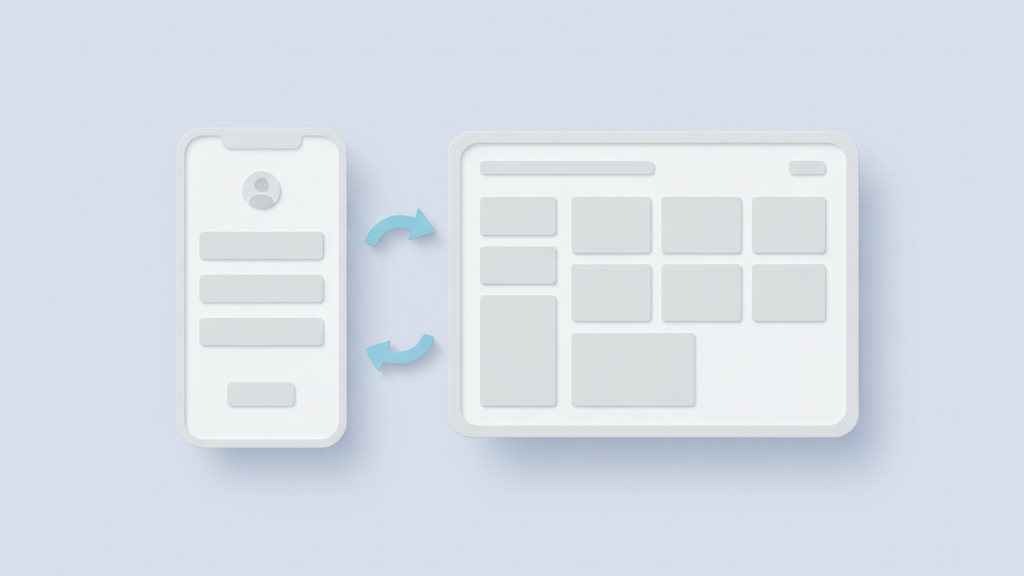
Before you write a single line of code, you should visualize your product using wireframes. This is a low cost way to find flaws in your user flow. It is much cheaper to move a button in a design tool than it is to rewrite a backend integration. Prototyping allows you to walk through the user journey and see if it makes sense. You can even show these designs to potential customers to get early feedback. Sometimes a simple clickable mockup is enough to convince an investor or a first customer. This process helps your development team understand exactly what they need to build. It reduces the number of questions they have during the coding phase and prevents expensive rework. I believe that every hour spent in the design phase saves five hours in development. You do not need high fidelity designs right away. Simple gray boxes and lines are often enough to validate the logic of your application. Once the logic is sound, you can add the visual polish that makes the app feel professional. This sequential approach keeps the project on track and ensures that the final build matches your vision. If you need implementation support, explore FlutterFlow development.
Avoiding Common Pitfalls in the Development Cycle
Even with a clear plan, many teams fall into traps that delay their launch. The most common pitfall is the desire for perfection. You might feel like the product is not ready because the UI is not perfect or a minor feature is missing. You must resist the urge to polish every corner. In the world of startups, done is usually better than perfect. Another major issue is ignoring early signs of technical debt. While you want to move fast, you should not cut corners that will make the app impossible to update later. Finding the balance between speed and quality is the mark of an experienced team. You also need to be careful about who you listen to. While user feedback is critical, not every suggestion is a good one. Some users might ask for features that take the product in the wrong direction. You have to filter this feedback through your original goals. If you try to build everything for everyone, you will end up with a bloated product that is hard to use. Staying focused on your core mission is the best way to survive the first year. Teams moving from strategy to execution can review Software maintenance and scaling.
- Avoid adding features that were not in the original scope
- Do not skip automated testing just to save a few days
- Limit the number of external integrations to keep things simple
- Avoid manual processes that can be easily automated
- Ensure your team has clear daily goals to maintain momentum
Measuring Success and Planning the Next Iteration
Once your product is live, the real work begins. You need to track how people are actually using the software. Tools like Google Analytics or Mixpanel can show you where users are getting stuck. If most people drop off during the sign up process, you know exactly where to focus your improvements. You should also set clear metrics for success before you launch. This might be a certain number of active users or a specific conversion rate. Having these benchmarks prevents you from making emotional decisions. If the data shows that a feature is not being used, you should be brave enough to remove it. Many founders find it hard to kill features they spent weeks building, but a clean product is a successful product. Use the insights from your first cohort of users to plan your next sprint. This iterative cycle is what turns a simple MVP into a market leading product. You should aim for small and frequent updates rather than massive releases. This keeps your audience engaged and shows that you are listening to their needs. Consistent progress is the key to long term growth. A related guide worth reviewing is B2B Onboarding Software MVP Product Market Fit Steps That Actually Work.